Clan Carnegie
Carnegie is an Angus name, tied to the lands of Kinnaird near Brechin since the early 15th century. The family became Earls of Southesk, and COSCA lists the Duke of Fife as head of the name.
History
The name comes from the barony of Carnegy in Angus. Electric Scotland says the family was first known as de Balinhard, and its two sources disagree on who came first. One names John de Balinhard, seen around 1230 in records linked to Arbroath and Balmerino abbeys. The other names Jocelyn de Ballinhard in the 13th century, and says a later member of that line took over the barony in 1358 and the family name followed.
Kinnaird is the heart of the story. Historic Environment Scotland says the Carnegies acquired it in 1401-02, and that Duthac de Carnegie raised the first castle on the site. Electric Scotland instead dates Duthac's gain of Kinnaird to 1409, after he married an heiress, Mariota. It says he was killed at Harlaw in 1411. The sources differ on the date, so we give both. Historic Environment Scotland adds that Crawford's earl set fire to the castle in 1452.
The family kept its place through the wars of the 16th century. Electric Scotland says the fourth John of Kinnaird died at Flodden in 1513, in the king's company. Robert Carnegie was captured at Pinkie. He was knighted after his release and went to France as an ambassador. Sir John Carnegie is said to have remained true to Mary, Queen of Scots.
Honours came in the 17th century. David Carnegie became Lord Carnegie of Kinnaird in 1616 and Earl of Southesk in 1633, according to Historic Environment Scotland. Electric Scotland adds that Sir John Carnegie, Lord Lour, gained a separate earldom (Ethie) in 1647, changed to Northesk in 1666. That branch means there are two Carnegie earldoms.
Support for the Stuarts cost the main line dearly. Electric Scotland says the 5th Earl of Southesk backed the 1715 Rising and lost his estates. He left no children. Its accounts differ on what followed, but one says the title passed to a cousin, Sir James Carnegie of Pitarro, who repurchased the estates. The earldom was restored in 1855, with James Carnegie of Pitarro as 9th Earl.
Kinnaird itself was rebuilt more than once. Historic Environment Scotland records James Playfair's redesign in 1790 and David Bryce's French Baronial remodelling in 1854-62. A fire in 1921 ruined much of the castle. The 10th Earl then rebuilt its west and middle sections. Electric Scotland says the 11th Earl's marriage to Princess Maud brought the dukedom of Fife into the family. COSCA lists the Duke of Fife as head of the name, though we could not confirm formal recognition.
Clan Carnegie tartans
Names and reference numbers follow the Scottish Register of Tartans. Mills sell most setts in modern, ancient and weathered colourways. The pattern is the same; only the shades change.
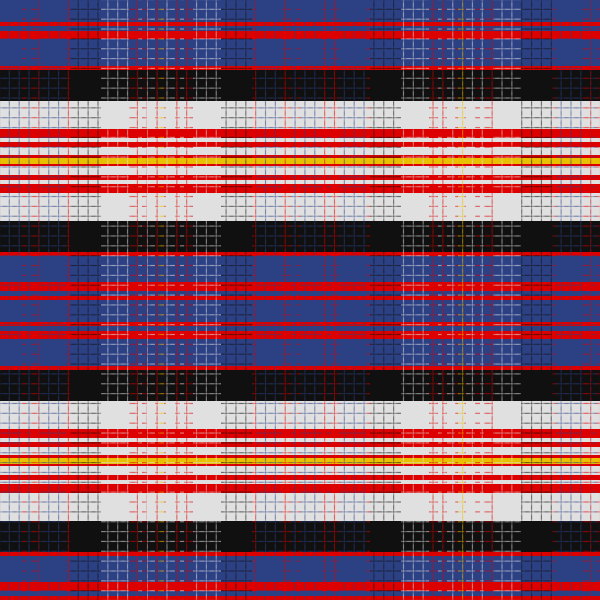 CarnegieClan tartan · Register ref. 567
The Register gives no date and says only that the sett comes from the Scottish Tartans Society archive. It was recorded before the Register opened.
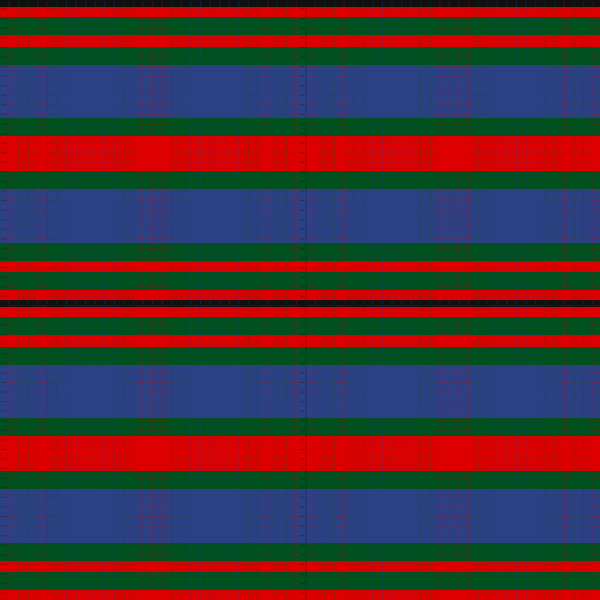 Carnegie (No. 3)Other sett · Register ref. 568
The Register gives no date. Its only note says that Robert Mitchell, a Scot weaving in Dublin around 1840, is linked to this sett.
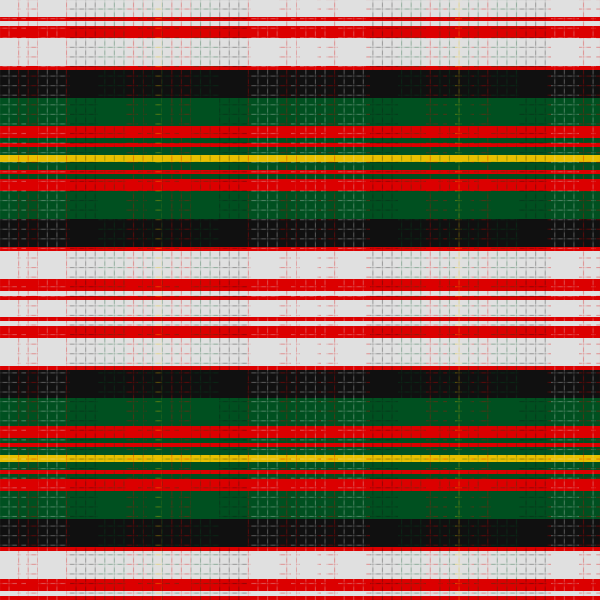 Carnegie DressDress tartan · Register ref. 570
The Register says this is one of several dress setts made by Hugh Macpherson, an Edinburgh kiltmaker, for dancing and informal wear. It adds that dress versions usually swap white in for one ground colour.
Get the kilt
When you order a kilt, ask for the tartan by its full name — for example “Carnegie” — and say which colourway you want. “Modern” is dark and strong, “ancient” is lighter, “weathered” is muted. The sett is the same in each.
We are choosing retailers we trust and will list them here soon.
Wear the colours
Our own Carnegie range is on its way: the name, the tartan and the motto on a heavyweight tee, a hoodie and a mug. About the shop.
Lands and seats
- Kinnaird Castle, near Brechin. Historic Environment Scotland records the Carnegie family at Kinnaird from 1401-02, with the present house remodelled by David Bryce in 1854-62 and badly damaged by fire in 1921.
- Elsick House, Aberdeenshire. COSCA gives this as the historic seat. We have found no second source for it, so treat it with care.
Surnames
The clan name and its spellings
- Carnegie
- Carnegy
- Carnegi
- Carneggie
- Carneaggie
- Carnagie
- Carnagy
- Carnage
- Carnigy
- Carinnegi
- Carrinegy
- Carryneggi
Names associated with Clan Carnegie
- Balinhard
- Ballinhard
- Kernagy
- Kornegay
- Balinhard: Listed by COSCA. Electric Scotland gives de Balinhard as the family's earlier name.
- Ballinhard: Listed by COSCA. Electric Scotland gives de Ballinhard as the family's earlier name.
- Kernagy: Listed by COSCA and Electric Scotland.
- Kornegay: Listed by COSCA and Electric Scotland.
“Associated” means the name appears in published sept lists for this clan. It does not prove descent, and many names are linked to more than one clan. Where your family lived is often the better clue.
Questions people ask
What is the Carnegie tartan?
The Scottish Register of Tartans lists Carnegie #2, Carnegie #3 and Carnegie Dress under Clan/Family. None has a recorded date. COSCA names a different label, 'Carnegie Modern', which we could not match to a Register entry.
What is the Carnegie clan motto?
COSCA spells the motto 'Dred God' and Electric Scotland spells it 'Dread God'. It is Older Scots for 'Fear God'.
Which surnames are linked to Clan Carnegie?
COSCA lists Carnegie and many spellings of it, such as Carnegy, Carnagie and Carneggie. It also lists Balinhard, Ballinhard, Kernagy and Kornegay. We treat the names other than Carnegie as variants or associated.
Where is Clan Carnegie from?
The Carnegies are from Angus. Historic Environment Scotland records the family at Kinnaird, near Brechin, from 1401-02. COSCA also gives Elsick House in Aberdeenshire as a historic seat.
Sources
- Carnegie — COSCA - Council of Scottish Clans & Associations
- Chiefs — COSCA - Council of Scottish Clans & Associations
- Clan: Carnegie — Electric Scotland
- The name Carnegie derives — Electric Scotland
- Kinnaird Castle (GDL00245) — Historic Environment Scotland
- Carnegie #2 (ref. 567) — Scottish Register of Tartans
- Carnegie #3 (ref. 568) — Scottish Register of Tartans
- Carnegie Dress (ref. 570) — Scottish Register of Tartans
Clan histories are contested and sources disagree. If you can correct something here with a source, write to hello@tartanflag.com. Last updated 6 November 2026.