Clan Cockburn
Cockburn is a Border name taken from lands in Berwickshire. The main branches held Langton and Ormiston, and neither the Standing Council of Scottish Chiefs nor COSCA names a chief today.
History
Cockburn began as a place name. The electricscotland clan summary places the original Cockburn lands in Berwickshire. It also gives an early spelling, Gowk's Burn, and sets that one in Roxburghshire. Another history on the same site mentions a supposed link to the name Colbrand, but it hedges, and we would not lean on it. Piers and Thomas de Cockburn are on the Ragman Roll of 1296, the list of Scots who pledged loyalty to Edward I. The same history treats the Cockburns as the leading family of the name, though it offers little proof of the link.
The senior line took its name from Langton in Berwickshire, which the Vipont family had held before them. How the Cockburns came by Langton is not clear from the sources we have opened, and early pedigrees deserve caution. In 1358 David II gave Sir Alexander de Cockburn the barony of Carriden. A Sir Alexander de Cockburn was keeper of the great seal from 1389 to 1396. In 1504 a charter of James IV tied the hereditary office of usher of parliament to the barony of Langton.
Later Langton lairds stayed close to the Crown. In 1595 Sir William Cockburn was granted the Langton lands and barony, along with the post of principal usher. A later William became a Nova Scotia baronet in 1627. In August 1641 Sir William petitioned parliament over the usher's office, opposing the Earl of Wigton, and he was briefly confined after confronting Charles I. David Gavin bought Langton in 1758.
According to electricscotland, the Ormiston branch began when John Cockburn, a second son of the Langton family, gained Ormiston by marrying an heiress. David II confirmed the grant in 1368. Historic Environment Scotland records the Old Hall at Ormiston, in East Lothian, as the work of the Cockburns in the early 17th century. Sir John Cockburn became lord justice clerk in 1588 and gave up the post in 1623.
Adam Cockburn of Ormiston was appointed lord justice clerk in 1692 and reappointed in 1705. He was superseded in 1710 and died in 1735, still a lord of session.
John Cockburn of Ormiston is remembered as an agricultural improver. Historic Environment Scotland says he planned Ormiston as a model village from 1730 and that a new hall followed around 1745. In 1748 he sold the estate to the Earl of Hopetoun. Neither the Standing Council of Scottish Chiefs nor COSCA lists a chief for the name today, and we have not checked the Lord Lyon's register.
Clan Cockburn tartans
Names and reference numbers follow the Scottish Register of Tartans. Mills sell most setts in modern, ancient and weathered colourways. The pattern is the same; only the shades change.
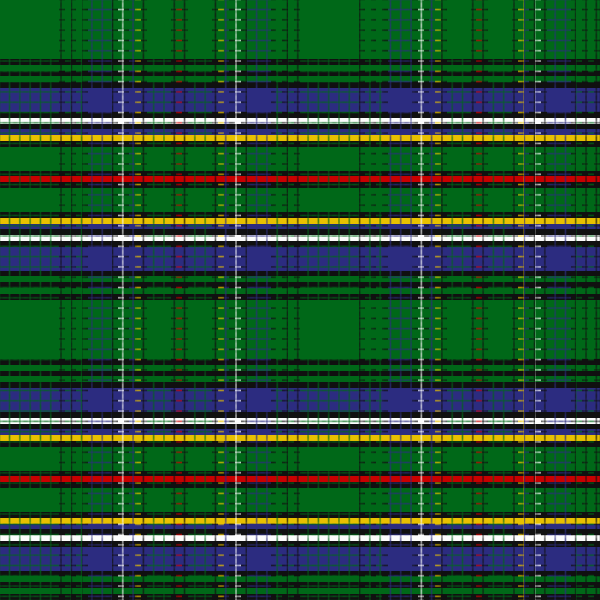 CockburnClan tartan · Register ref. 699
The Register says this is the version modern weavers commonly accept as Cockburn. It traces the pattern to the W & A K Johnson twin volume set of 1906.
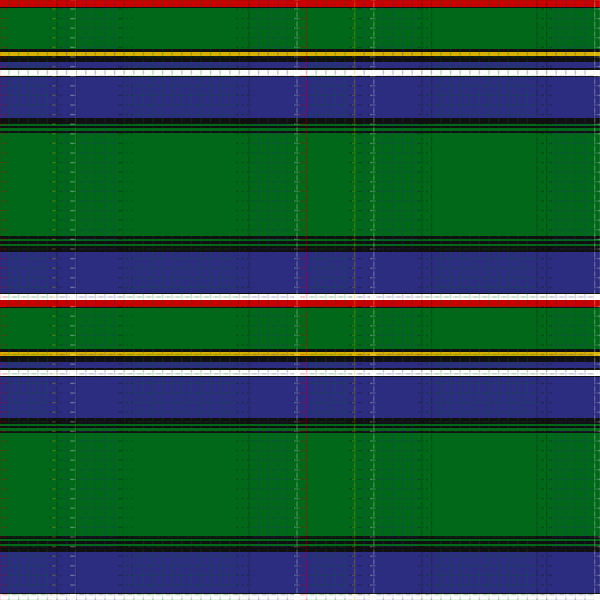 Cockburn Old PatternOther sett · Register ref. 703
The Register describes this as taken from a Museum of Antiquities specimen, possibly woven by Wilsons. It halves the thread count to show the full sett, and the 2002 date is the Register's.
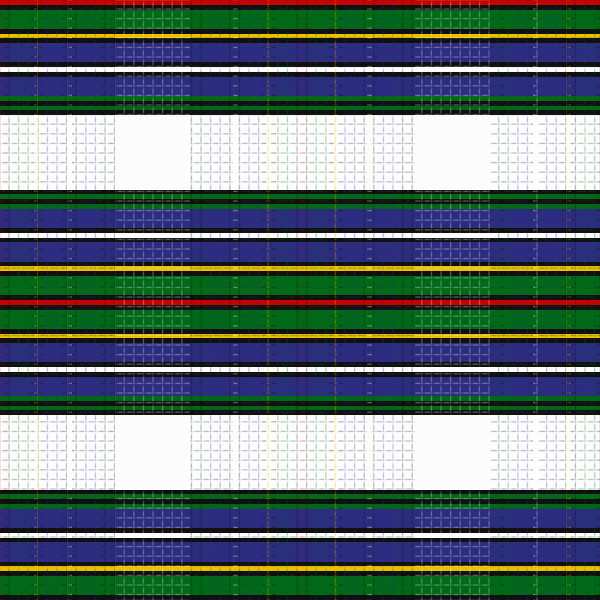 Cockburn of Ormiston DressDress tartan · Register ref. 705
The Register says this comes from the MacGregor-Hastie collection and was apparently on sale in Edinburgh in the 1930s. It adds that it does not seem to have been seen since.
Get the kilt
When you order a kilt, ask for the tartan by its full name — for example “Cockburn” — and say which colourway you want. “Modern” is dark and strong, “ancient” is lighter, “weathered” is muted. The sett is the same in each.
We are choosing retailers we trust and will list them here soon.
Wear the colours
Our own Cockburn range is on its way: the name, the tartan and the motto on a heavyweight tee, a hoodie and a mug. About the shop.
Lands and seats
- Ormiston Old Hall, East Lothian. Historic Environment Scotland lists it as Category B and says the Cockburn family built it in the early 17th century. The Earls of Hopetoun took over the lands in 1748.
Surnames
The clan name and its spellings
- Cockburn
- Cobron
- Coburn
- Cocburn
- Cogburn
- Cogburne
- Cokburne
- Cokeburn
- Cokeburne
- Cowborn
- Cukburn
- Kokburn
- Kokburne
- Cogborn
- Cogborne
- Chockeburn
“Associated” means the name appears in published sept lists for this clan. It does not prove descent, and many names are linked to more than one clan. Where your family lived is often the better clue.
Questions people ask
What is the Cockburn tartan?
The Scottish Register of Tartans lists Cockburn, dated 1906, which it calls the version commonly accepted by modern weavers. It also lists an Old Pattern and a Cockburn of Ormiston Dress.
What is the Cockburn clan motto?
COSCA gives the motto as 'Accendit Cantu', Latin for 'He rouses us with song'. Translations of Latin mottoes vary a little.
Which surnames are linked to Cockburn?
COSCA lists Cockburn and many spellings, such as Coburn, Cogburn, Cokburne and Kokburn. Some of these are also used by families of other origins.
Where is Clan Cockburn from?
The name comes from lands called Cockburn in Berwickshire, in the Borders. The main branches held Langton in Berwickshire and Ormiston in East Lothian.
Sources
- Cockburn — COSCA - Council of Scottish Clans & Associations
- Members — Standing Council of Scottish Chiefs
- Cockburn — electricscotland.com
- Cockburn — electricscotland.com
- Ormiston, The Old Hall, Adjoining Buildings, Former Stable Range and Walled Garden (LB19066) — Historic Environment Scotland
- Cockburn (ref. 699) — Scottish Register of Tartans
- Cockburn (Old Pattern) (ref. 703) — Scottish Register of Tartans
- Cockburn of Ormiston Dress (ref. 705) — Scottish Register of Tartans
Clan histories are contested and sources disagree. If you can correct something here with a source, write to hello@tartanflag.com. Last updated 6 November 2026.