Clan Hamilton
A great Lowland house from Lanarkshire, close to the Scottish throne in the sixteenth century. The chief is the Duke of Hamilton, the premier peer of Scotland.
History
The Hamiltons descend from Walter fitz Gilbert, who appears in a charter to Paisley Abbey in the mid-1290s. He is described as 'of Hambledon' or 'Hameldone'. The surname almost certainly comes from a place in England, though writers disagree about which one. Walter first held land in Renfrewshire. He supported Robert the Bruce and was rewarded with estates in Lanarkshire and the Lothians. Among them was Cadzow, which later took the family's name and became the town of Hamilton.
Walter's descendants stayed close to the Crown. David Hamilton was captured at the battle of Neville's Cross in 1346 and had to be ransomed. In 1474 James, 1st Lord Hamilton, married Princess Mary, a daughter of James II. That marriage changed the family's standing. Their son became Earl of Arran, and for much of the sixteenth century the Hamiltons stood next in line to the throne. The 2nd Earl of Arran governed Scotland as regent during the childhood of Mary, Queen of Scots. The French king made him Duke of Châtellerault for his part in arranging her French marriage.
Historic Environment Scotland calls the Hamiltons 'the Scottish royal dynasty that never was'. Cadzow Castle dates from these years. Sir James Hamilton of Finnart probably began it around 1529 and the 2nd Earl of Arran finished it. The family rebelled against Mary in 1565 but fought for her after her abdication in 1567. In January 1570 James Hamilton of Bothwellhaugh shot dead the Regent Moray. The reckoning came in 1579, when Hamilton Castle and Craignethan were demolished.
The family recovered. Its head became Marquess of Hamilton in 1599, and in 1643 Charles I made the 3rd Marquess Duke of Hamilton. The 1st Duke led an army into England for the king in 1648. He was defeated at Preston and beheaded the following year. The title passed in time to his daughter Anne. She married William Douglas, Earl of Selkirk, and their descendants bear the name Douglas-Hamilton. Duchess Anne and her descendants built Hamilton Palace and filled it with works of art. The 4th Duke was made Duke of Brandon in 1711 and was killed in a notorious duel in London the next year.
A younger line, descended from Claud Hamilton, Lord Paisley, became Earls and, in 1868, Dukes of Abercorn. Hamilton Palace did not survive the coal beneath it. Subsidence from mining led to its demolition in the 1920s, and the family moved to Lennoxlove in East Lothian. The 14th Duke piloted the first aeroplane to fly over Everest, in 1933. The Duke of Hamilton remains chief of the name. He is also the heir male of the house of Douglas.
Clan Hamilton tartans
Names and reference numbers follow the Scottish Register of Tartans. Mills sell most setts in modern, ancient and weathered colourways. The pattern is the same; only the shades change.
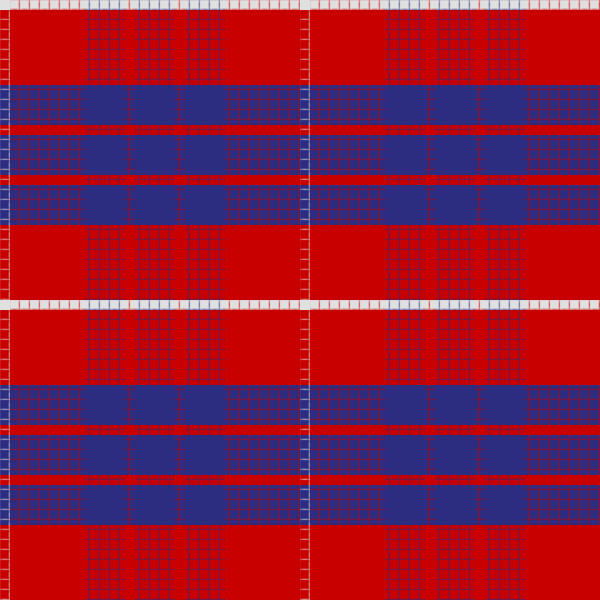 HamiltonClan tartan · Register ref. 1576
The red Hamilton sett was first recorded in the Vestiarium Scoticum of 1842. The Register says plainly that the manuscript behind that book is now known to have been forged, and that there is no evidence of a Hamilton tartan before it.
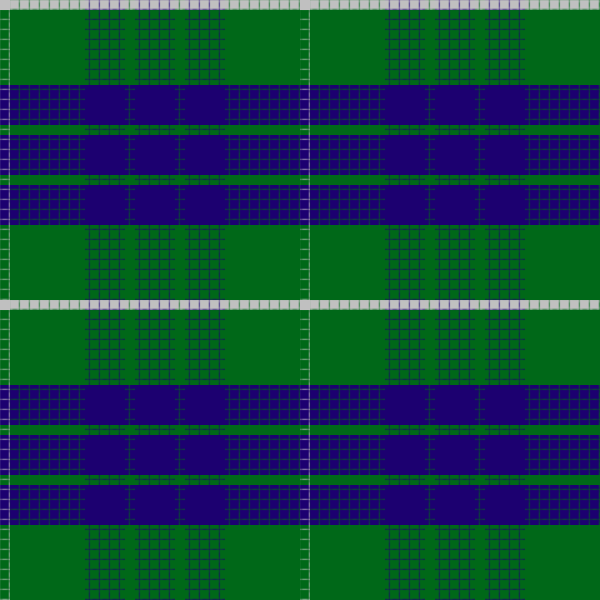 Hamilton Green HuntingHunting tartan · Register ref. 1577
A green version of the Hamilton sett. The Register describes it as the hunting version preferred by today's weavers.
Get the kilt
When you order a kilt, ask for the tartan by its full name — for example “Hamilton” — and say which colourway you want. “Modern” is dark and strong, “ancient” is lighter, “weathered” is muted. The sett is the same in each.
We are choosing retailers we trust and will list them here soon.
Wear the colours
Our own Hamilton range is on its way: the name, the tartan and the motto on a heavyweight tee, a hoodie and a mug. About the shop.
Lands and seats
- Lennoxlove House. Near Haddington in East Lothian; the home of the Dukes of Hamilton since Hamilton Palace was given up.
- Hamilton Palace. The great ducal house in Lanarkshire, demolished in the 1920s because of mining subsidence.
- Cadzow Castle. Sixteenth-century stronghold above the Avon gorge at Hamilton; a ruin in the care of Historic Environment Scotland.
- Brodick Castle. The family's castle on the Isle of Arran, extended into a stately home in the nineteenth century.
Surnames
The clan name and its spellings
- Hamilton
“Associated” means the name appears in published sept lists for this clan. It does not prove descent, and many names are linked to more than one clan. Where your family lived is often the better clue.
Questions people ask
What is the Hamilton tartan?
The Hamilton tartan is a red sett with three dark blue bands and a white line, reference 1576 in the Scottish Register of Tartans. It was first published in 1842 in the Vestiarium Scoticum, and the Register finds no evidence of a Hamilton tartan before then. A green hunting version is also woven.
What is the Hamilton motto?
The motto is the single English word 'Through'. The crest is an oak tree with a frame saw cutting through its trunk, rising from a ducal coronet.
Who is the chief of the Hamiltons?
The chief is the Duke of Hamilton, the premier peer of Scotland. The family seat is Lennoxlove House near Haddington in East Lothian.
Where do the Hamiltons come from?
The family's heartland is Lanarkshire, around the town of Hamilton, which was called Cadzow before it took their name. The founder, Walter fitz Gilbert, was given the lands for supporting Robert the Bruce.
Sources
- Members (list of chiefs) — Standing Council of Scottish Chiefs
- Hamilton — scotland.org.uk
- Cadzow Castle: History — Historic Environment Scotland
- James Stewart, 1st Earl of Moray — Encyclopaedia Britannica
- The Heraldry of the Hamiltons — G. Harvey Johnston (1909), via Internet Archive
- Clan Hamilton; Hamilton (name) (supplementary check) — Wikipedia
- Hamilton – tartan details — The Scottish Register of Tartans
- Hamilton Green Hunting – tartan details — The Scottish Register of Tartans
Clan histories are contested and sources disagree. If you can correct something here with a source, write to hello@tartanflag.com. Last updated 26 September 2026.