Clan Hay
The Hays have held the earldom of Erroll and the hereditary office of Lord High Constable of Scotland since the fourteenth century, their name carried by a well-loved legend of a ploughman who turned the tide at Luncarty.
History
The Hays trace their documented Scottish history to William de Haya, a Norman-descended cupbearer at the court of Malcolm IV and later William the Lion in the mid-twelfth century. It is not entirely clear whether this William or his son, also called William, was the one who married Eva of Pitmilly, a Celtic heiress; whichever it was, the match brought the family the barony of Erroll, on the Carse of Gowrie, granted by William the Lion around 1178. This marriage is generally treated as the clan's true beginning, and William de Haya is regarded as its first chief, well before any of the legends later attached to the family name.
Clan tradition also tells an older and far more colourful story. It holds that in 980 a ploughman named Hay and his two sons, working a field near Luncarty in Perthshire, saw a Scottish army under King Kenneth breaking before a Danish force and threw themselves into the fighting, armed with nothing but the wooden yokes unstrapped from their oxen. The Scots are said to have rallied and won the field, and a grateful king rewarded Hay with as much land as a falcon could cover in a single flight, a bird released from a nearby hill that came down at what is still known as the Hawk's Stane, on the edge of the parish of Errol. This is family legend rather than documented history, and no contemporary record of the battle or the ploughman survives, but it endures in the clan's motto, Serva Jugum, 'keep the yoke', and in the falcon on its crest.
What is firmly documented is the family's role in the Wars of Independence. Sir Gilbert Hay of Erroll swore fealty to Edward I of England in 1296, along with most of the Scottish nobility of the day, but had gone over to Robert the Bruce by 1306 and stayed one of his steadiest supporters through the years that followed. After Bannockburn in 1314, Bruce rewarded him with the hereditary office of Lord High Constable of Scotland, a great office of state that in precedence outranks every title except those of the royal family, and it has descended through the Hays of Erroll ever since.
Sir William Hay was created Earl of Erroll in 1453, and the wider family expanded well beyond Aberdeenshire. A branch descended from a fourteenth-century marriage into the Yester lands of East Lothian was raised to the peerage as Lords Hay of Yester in 1488 and rose further still, in time becoming Earls and then Marquesses of Tweeddale. The senior, chiefly line built its own power around the Aberdeenshire coast, where the earldom's original seat, Old Slains Castle, had been granted to Gilbert Hay along with the former Comyn earldom of Buchan lands in 1308.
Old Slains remained the family base until Francis Hay, 9th Earl of Erroll, built New Slains Castle near Cruden Bay after 1597. Delgatie Castle, near Turriff, had come to the Hays through a fifteenth-century marriage into the Fraser family and later passed out of the name altogether, before the 23rd Countess of Erroll bought it back around 1950. Restored and opened to the public, Delgatie now serves as the official Clan Hay centre.
The chiefship has stayed within the family throughout. The present chief, Merlin Hay, 24th Earl of Erroll, inherited the title from his mother in 1978 and, like his forebears, holds the Constableship of Scotland alongside it, a link stretching back more than seven hundred years between one family and two of the country's oldest offices.
Clan Hay tartans
Names and reference numbers follow the Scottish Register of Tartans. Mills sell most setts in modern, ancient and weathered colourways. The pattern is the same; only the shades change.
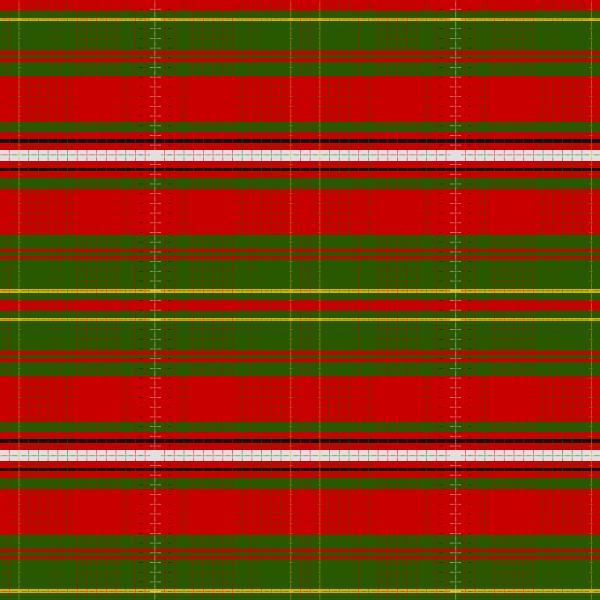 HayClan tartan · Register ref. 1631
The main Hay sett, first published in the Vestiarium Scoticum in 1842 and later recorded for the Register from a threadcount supplied by the Earl of Erroll, the clan's chief, in 2002. It is the pattern most commonly worn and sold as the Hay tartan.
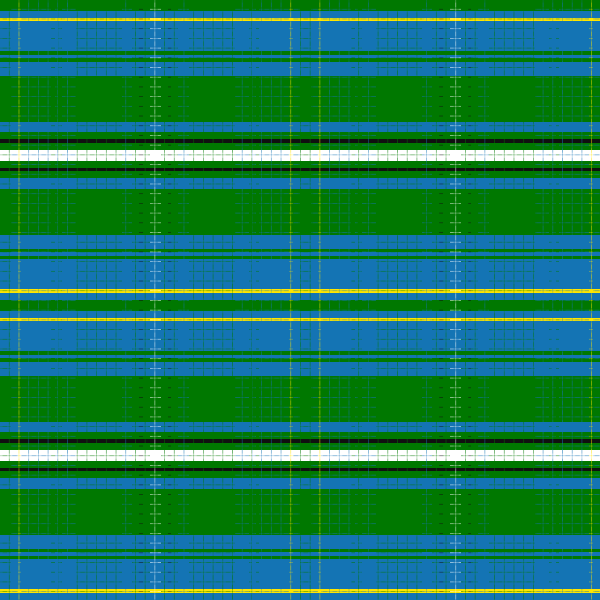 Hay HuntingHunting tartan · Register ref. 6021
A hunting variant of the clan sett, with green standing in for the red and blue for the green of the main tartan, giving a quieter pattern for outdoor and informal wear. The Register does not record a date for it.
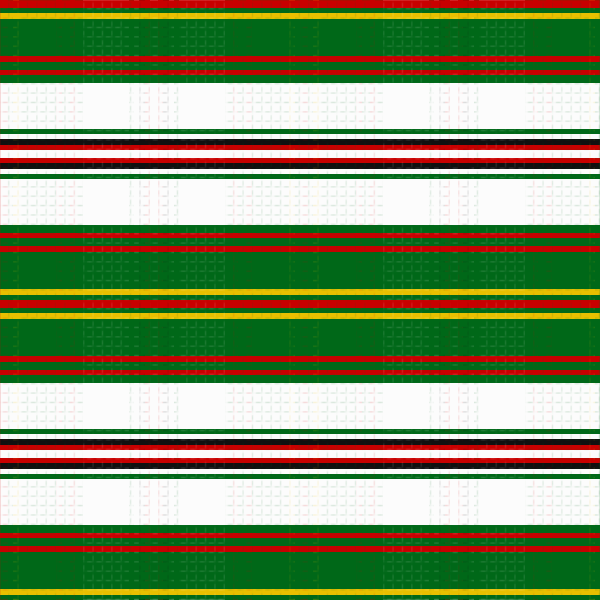 Hay, White DressDress tartan · Register ref. 1635
A white-ground dress version of the Hay tartan, taken from a cloth sample in the collection that formed the Scottish Tartans Society archive and probably woven sometime between the 1930s and 1950. Light-ground dress tartans of this kind were traditionally favoured for women's Highland dress.
Get the kilt
When you order a kilt, ask for the tartan by its full name — for example “Hay” — and say which colourway you want. “Modern” is dark and strong, “ancient” is lighter, “weathered” is muted. The sett is the same in each.
We are choosing retailers we trust and will list them here soon.
Wear the colours
Our own Hay range is on its way: the name, the tartan and the motto on a heavyweight tee, a hoodie and a mug. About the shop.
Lands and seats
- Old Slains Castle. Near Collieston, Aberdeenshire. Granted to Sir Gilbert Hay along with the former Comyn earldom of Buchan lands in 1308, it was the family's principal seat for close to three centuries.
- New Slains Castle. On the Aberdeenshire coast near Cruden Bay. Built after 1597 for Francis Hay, 9th Earl of Erroll, once Old Slains had been given up as the family seat.
- Delgatie Castle. Near Turriff, Aberdeenshire. Held by the Hays from a fifteenth-century marriage into the Fraser family; bought back by the 23rd Countess of Erroll around 1950 and now run as the official Clan Hay centre, open to visitors.
Surnames
The clan name and its spellings
- Hay
- Haya
- De la Haye
- Haye
- Hey
- Hayes
- Delahaye
Names associated with Clan Hay
- Constable
- Garrow
- Geary
- Gifford
- Leask
- Leith
- Peebles
- Hayden
- Haynes
- Hayton
- Hayward
- Errol
- Constable: Linked to the Hays' hereditary office of Lord High Constable of Scotland.
- Garrow: An anglicised form of Garioch, the Aberdeenshire district, listed among names associated with the clan.
- Gifford: Tied to the Hays of Yester and the barony of Gifford in East Lothian.
- Leask: Clan Leask has its own chief; the connection to the Hays rests on a fifteenth-century Bond of Manrent between Leask of that Ilk and the Earl of Erroll.
- Errol: A place-name surname, from the parish and later burgh of Errol in the Carse of Gowrie.
“Associated” means the name appears in published sept lists for this clan. It does not prove descent, and many names are linked to more than one clan. Where your family lived is often the better clue.
Questions people ask
What is the Hay tartan?
There are three registered Hay tartans: the main clan sett, first published in 1842 and later confirmed by the Earl of Erroll as chief; a hunting version in green and blue; and a white-ground dress tartan drawn from cloth dating to around 1930–1950.
What does the Hay motto mean?
The Hay motto is 'Serva Jugum', Latin for 'keep the yoke'. It echoes the clan's founding legend of a ploughman who fought off a Danish army with an ox-yoke, a story that is tradition rather than documented fact.
Who is the chief of Clan Hay?
The chief is Merlin Hay, 24th Earl of Erroll, who has held the chiefship since 1978. The Earls of Erroll are also hereditary Lord High Constable of Scotland, an office held by the family since 1314.
What surnames are associated with Clan Hay?
Spelling variants of Hay itself include Haya, De la Haye, Haye, Hey, Hayes and Delahaye. Names associated with the clan through office, land or old bonds include Constable, Gifford, Leask, Leith and Errol.
Sources
- History — Clan Hay
- The House of Erroll — Clan Hay
- 40 Years a Chief — Clan Hay
- Septs — Clan Hay
- Hay — Council of Scottish Clans & Associations (COSCA)
- Erroll — Society of Scottish Armigers
- History — Delgatie Castle Trust
- Hay, ref. 1631 — The Scottish Register of Tartans, National Records of Scotland
- Hay Hunting, ref. 6021 — The Scottish Register of Tartans, National Records of Scotland
- Hay, White Dress, ref. 1635 — The Scottish Register of Tartans, National Records of Scotland
Clan histories are contested and sources disagree. If you can correct something here with a source, write to hello@tartanflag.com. Last updated 22 September 2026.