Clan MacDuff
MacDhuibh
MacDuff is a Fife name tied by tradition to the medieval Earls of Fife. The clan has no recognised chief today, and the story of who carries the line is disputed.
History
The MacDuffs are tied by tradition to Fife and to its medieval earls. Tradition holds that Macduff, Thane of Fife, turned against Macbeth and joined Malcolm, Duncan's son, in the campaign that ended with Macbeth's death at Lumphanan. The story is told in the chronicle of Andrew of Wyntoun, and Shakespeare later made it famous. It is a chronicle tale rather than documented history, so we treat the details with care.
The same tradition says Malcolm rewarded Macduff's heirs with three privileges. They were to guide the king to his coronation chair at royal ceremonies, hold the front rank of the Scottish host in battle, and pay a fine to be pardoned for a killing. Electric Scotland presents these as traditional, and we cannot confirm them from records of the time.
The earls themselves are better documented. Electric Scotland names Gilmichael as 4th Earl, who died in 1139. It says his younger son Hugh was the forebear of the Wemyss family. The clan society and Electric Scotland both place the end of the old male line in 1353, with the death of Duncan, 12th Earl. His daughter Isabella passed the earldom on, and it later came to the Stewarts. The Crown forfeited it when Murdoch, Duke of Albany, was executed in 1425. Electric Scotland also tells of an earlier Isabella, Countess of Buchan. In 1306 she is said to have taken Robert the Bruce to be crowned at Scone, as her family had the right to do.
Another family took up the name much later. Electric Scotland says William Duff, Lord Braco, became Earl of Fife in 1759. It adds that the Duffs rose through trade and the purchase of land in the north-east. It also says Duff probably comes from the Celtic dubh, meaning dark, and that the many Duff families may not all descend from the thanes of Fife. The clan society, by contrast, treats the later Duffs as part of the story. Alexander, 6th Earl, was made Duke of Fife in 1889 after marrying Princess Louise, and died in 1912.
Who might be chief is disputed. The clan society quotes a Lord Lyon letter of 1982 saying the first Duke represented the Duff of Braco family and was not chief of the clan. The society also says the direct line of the ancient house passed to the Wemyss family, though it notes the name never reverted to MacDuff. Its own account is not fully consistent, and the sources give no settled answer.
Near Newburgh, above the Firth of Tay, stands the base of an old stone cross known as Macduff's Cross. The Gazetteer for Scotland says it is thought to have served as a place of sanctuary for the clan. Electric Scotland adds that, by old tradition, a MacDuff kinsman could seek refuge there. Neither source gives a date, and we treat this as local tradition.
Clan MacDuff tartans
Names and reference numbers follow the Scottish Register of Tartans. Mills sell most setts in modern, ancient and weathered colourways. The pattern is the same; only the shades change.
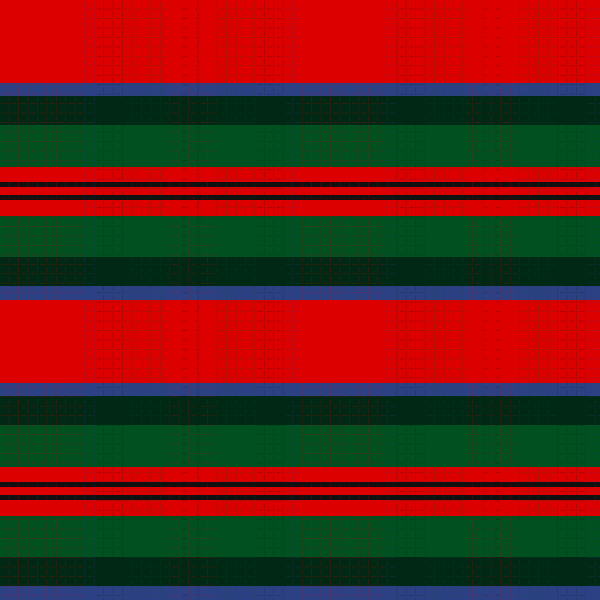 MacDuffClan tartan · Register ref. 2413
The Register gives no date. Its notes say the Highland Society of London, founded in 1815, gathered authenticated tartans, and that 74 specimens had been found by 1816. That collection is held at the Mitchell Library, Glasgow.
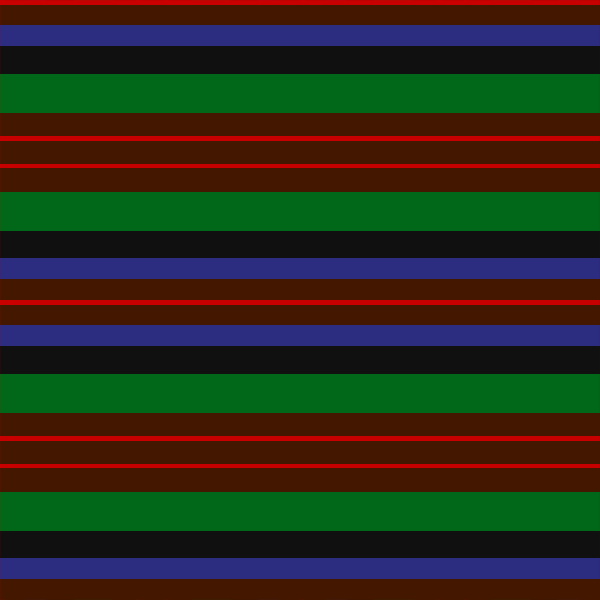 MacDuff HuntingHunting tartan · Register ref. 2424
The Register says this comes from the Peter MacDonald swatch file. It records essentially the same sett as one published by W & A K Johnston in 1906, but with different proportions.
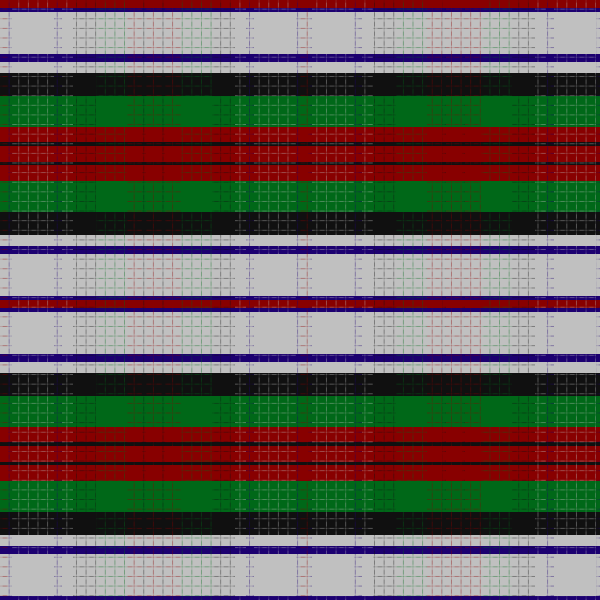 MacDuff DressDress tartan · Register ref. 2420
The Register traces this to a Strathmore Woollen Co. reference book, with the original reference said to be from James Cant MA of Dundee, who died in 1960.
Get the kilt
When you order a kilt, ask for the tartan by its full name — for example “MacDuff” — and say which colourway you want. “Modern” is dark and strong, “ancient” is lighter, “weathered” is muted. The sett is the same in each.
We are choosing retailers we trust and will list them here soon.
Wear the colours
Our own MacDuff range is on its way: the name, the tartan and the motto on a heavyweight tee, a hoodie and a mug. About the shop.
Surnames
The clan name and its spellings
- MacDuff
- Mac Duff
Names associated with Clan MacDuff
- Duff
- Fife
- Fyfe
- Fyffe
- Wemyss
- Weems
- Spence
- Spens
- Duff: Listed by COSCA and Electric Scotland. The later Earls Fife bore this name, but sources disagree on whether they descend from the medieval earls.
- Fife: Listed by COSCA and Electric Scotland. Also a place name, so it may have other origins.
- Fyfe: Listed by COSCA and Electric Scotland.
- Fyffe: Listed by COSCA.
- Wemyss: Listed by COSCA and Electric Scotland. The Wemyss family is said to descend from a younger son of an early Earl of Fife.
- Weems: Listed by COSCA.
- Spence: Listed by COSCA and Electric Scotland. A name shared with other families.
- Spens: Listed by COSCA and Electric Scotland.
“Associated” means the name appears in published sept lists for this clan. It does not prove descent, and many names are linked to more than one clan. Where your family lived is often the better clue.
Questions people ask
What is the MacDuff tartan?
The Scottish Register of Tartans lists MacDuff with no date, and notes it appears in the Highland Society of London's early collection. It also lists MacDuff Hunting, recorded in 1906, and a MacDuff Dress #2.
What is the MacDuff clan motto?
COSCA and the Clan MacDuff Society give the motto as 'Deus juvat', meaning 'God assists'.
Which surnames are linked to Clan MacDuff?
COSCA's list for MacDuff is very long. Names that also appear in Electric Scotland's shorter list include Duff, Fife, Fyfe, Wemyss, Spence and Spens. We treat all of them as associated, and several are shared with other families.
Does Clan MacDuff have a chief?
We found no current chief. The clan society says the Duff of Braco line has been dormant since 1912 and notes a claim that the chiefship lies with the Wemyss family. The sources do not settle it.
Sources
- MacDuff — COSCA - Council of Scottish Clans & Associations
- History — Clan MacDuff Society of America
- Clan MacDuff — Electric Scotland
- Macduff's Cross — The Gazetteer for Scotland
- Members — Standing Council of Scottish Chiefs
- MacDuff (ref. 2413) — Scottish Register of Tartans
- MacDuff Hunting (ref. 2424) — Scottish Register of Tartans
- MacDuff Dress #2 (ref. 2420) — Scottish Register of Tartans
Clan histories are contested and sources disagree. If you can correct something here with a source, write to hello@tartanflag.com. Last updated 6 November 2026.